
Dubai’s property market has become one of the main focus points for international investors thanks to high returns, tax advantages and modern living standards. Interest from investors in Türkiye has also grown sharply in recent years, and with the long-term residence (Golden Visa) it offers, Dubai property is not just a way to own a home but a secure investment in the future.
In this guide you will find answers, based on current regulations and market data, to the questions “Is buying property in Dubai worth it?”, “How can I buy in installments?” and “What are the rental returns and tax obligations?”
Dubai Apartments for Sale



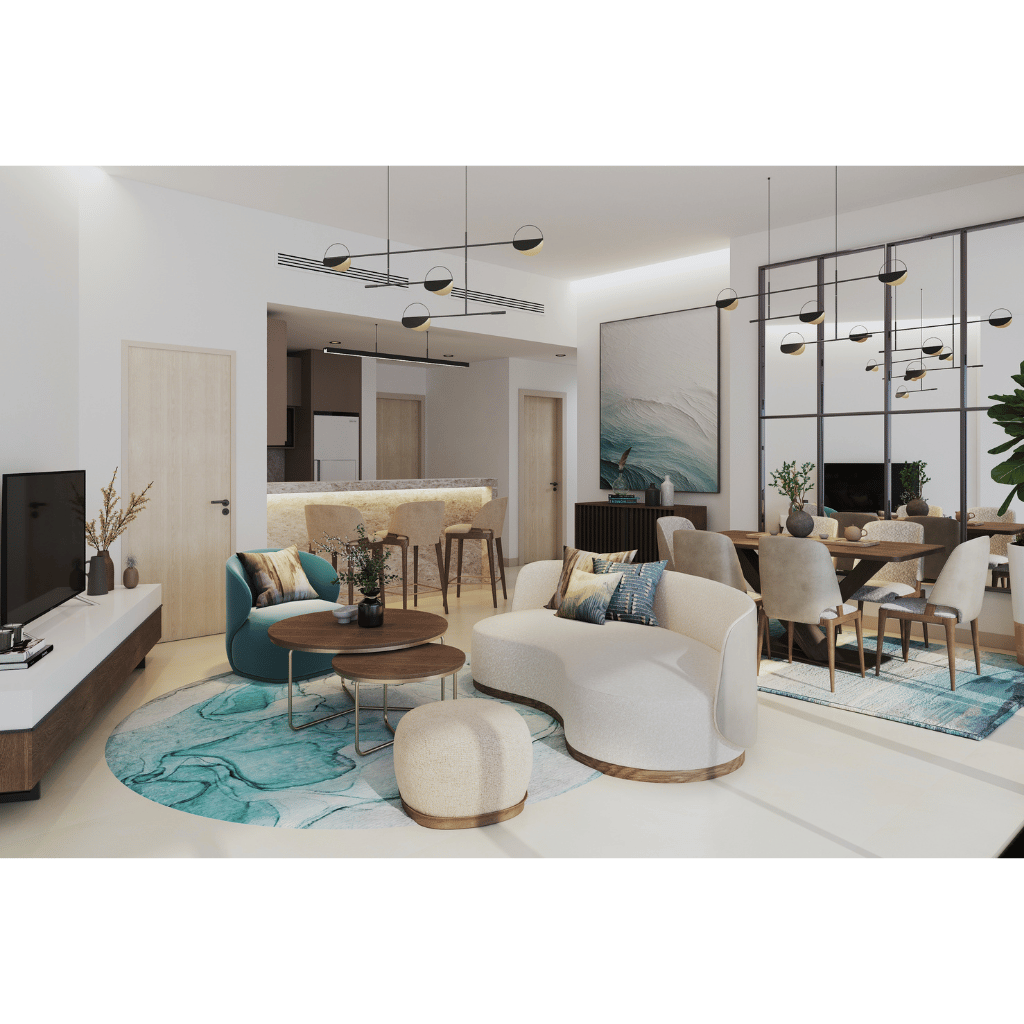
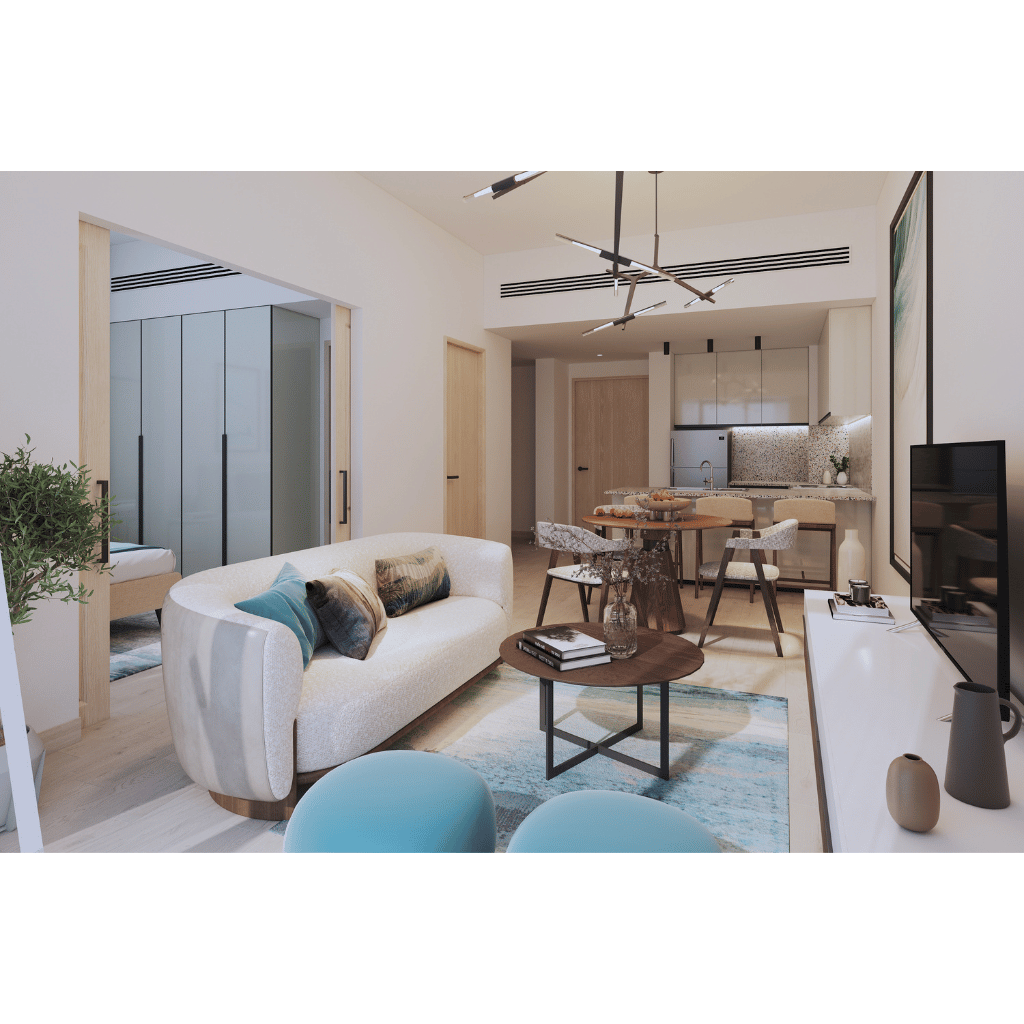
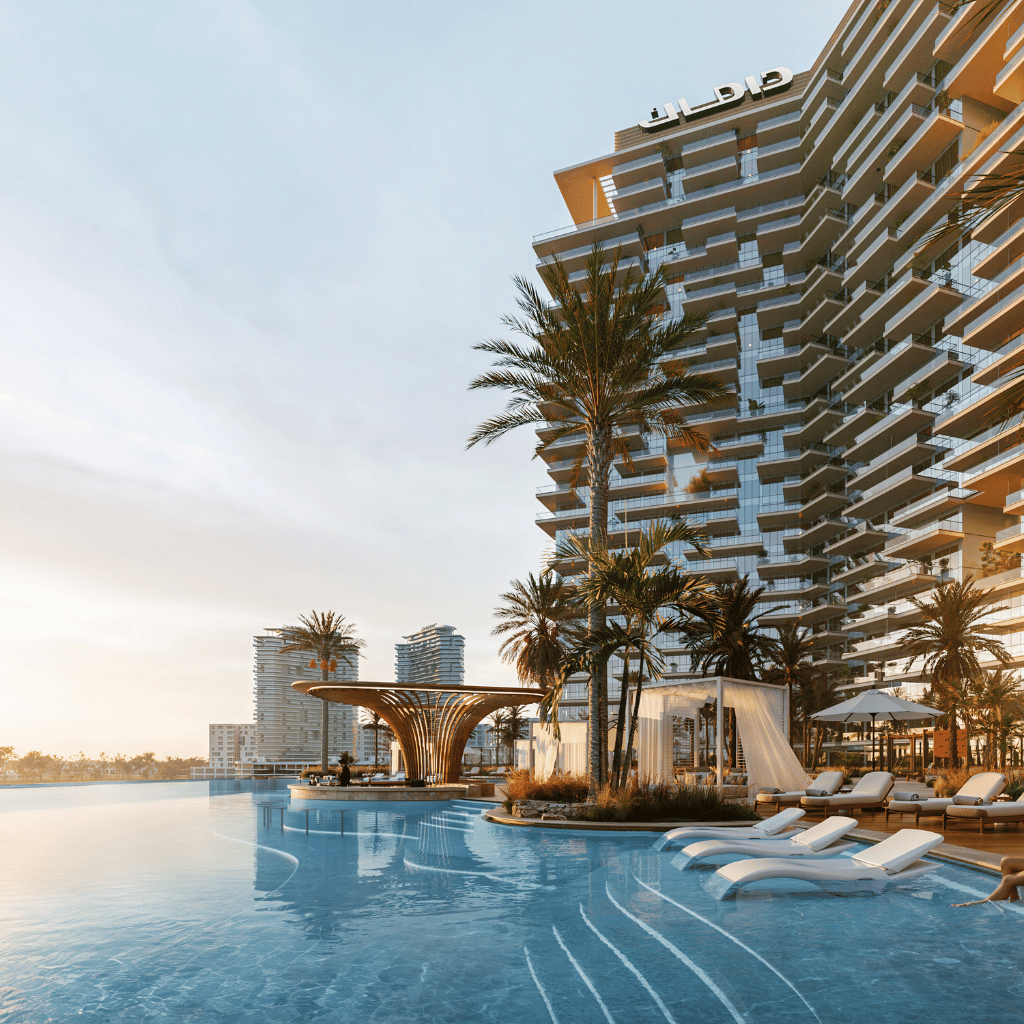
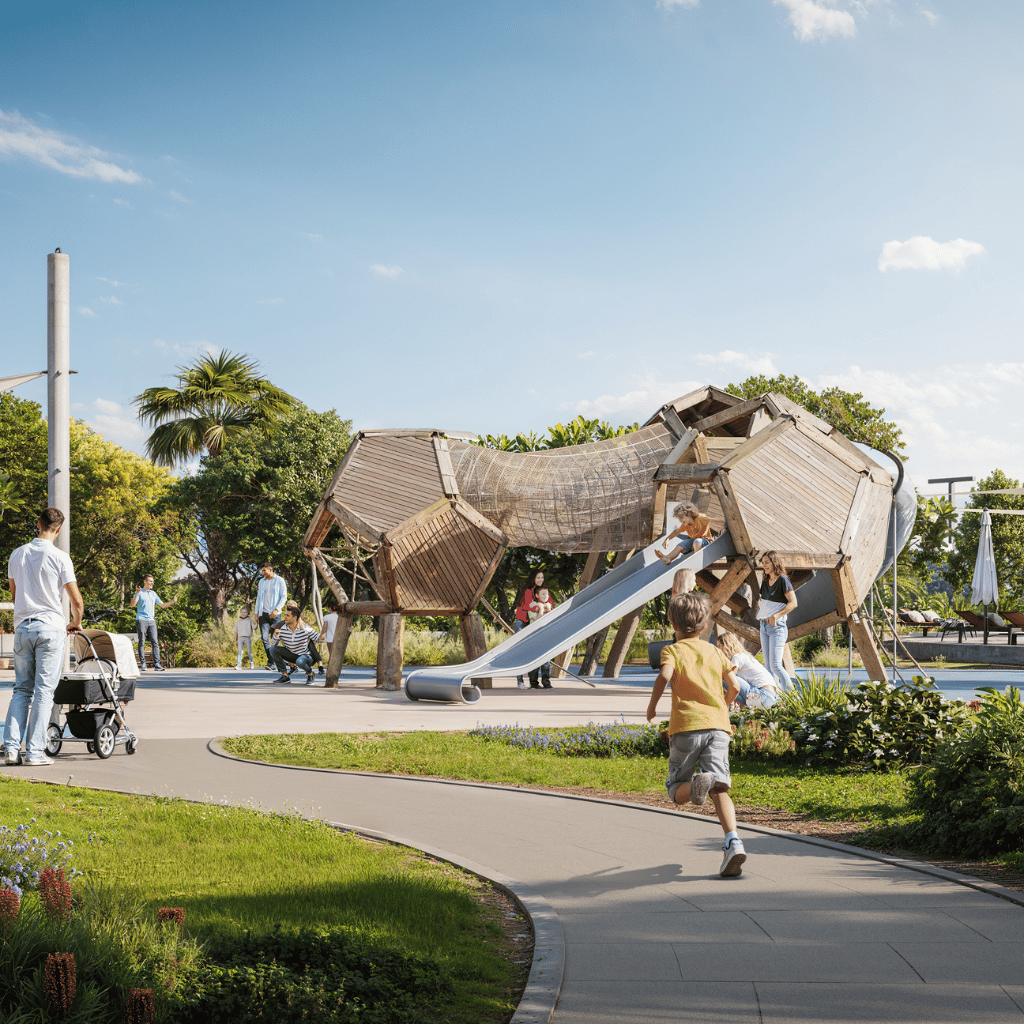
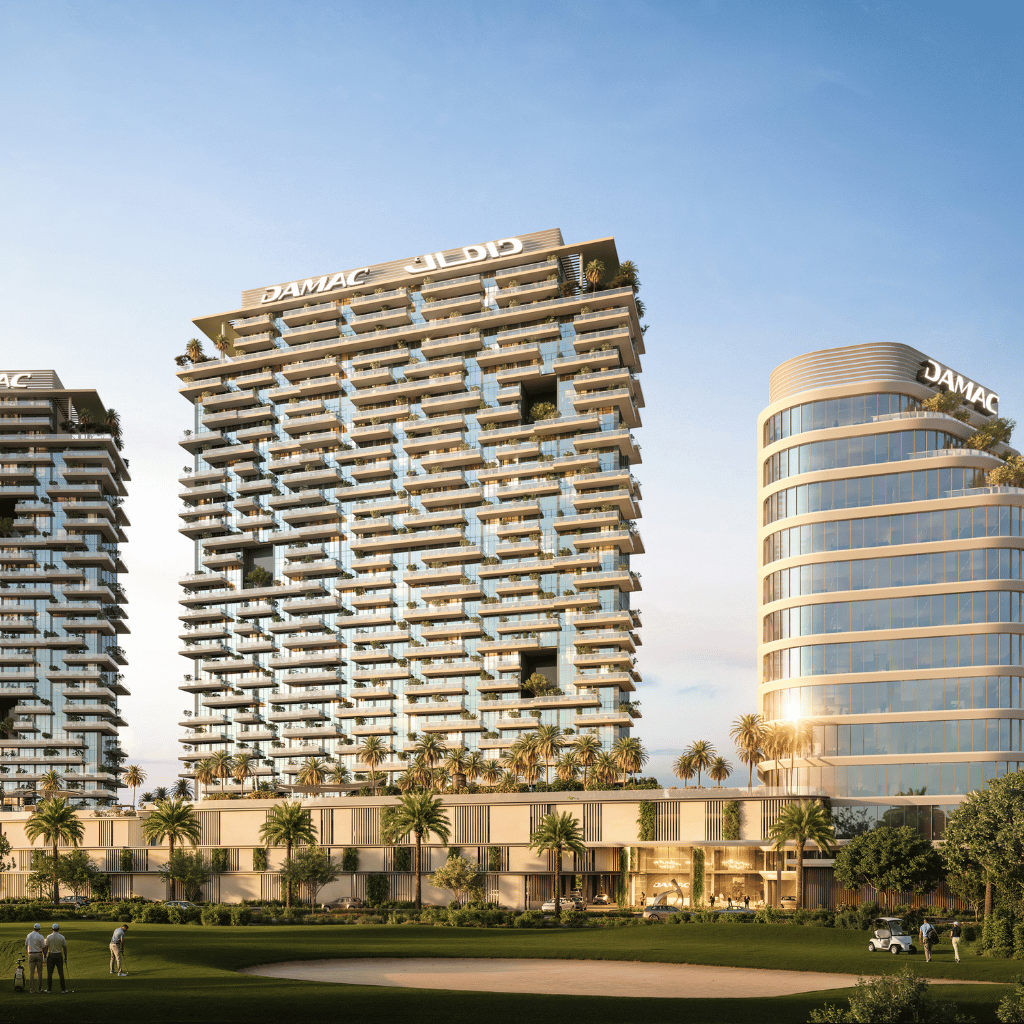
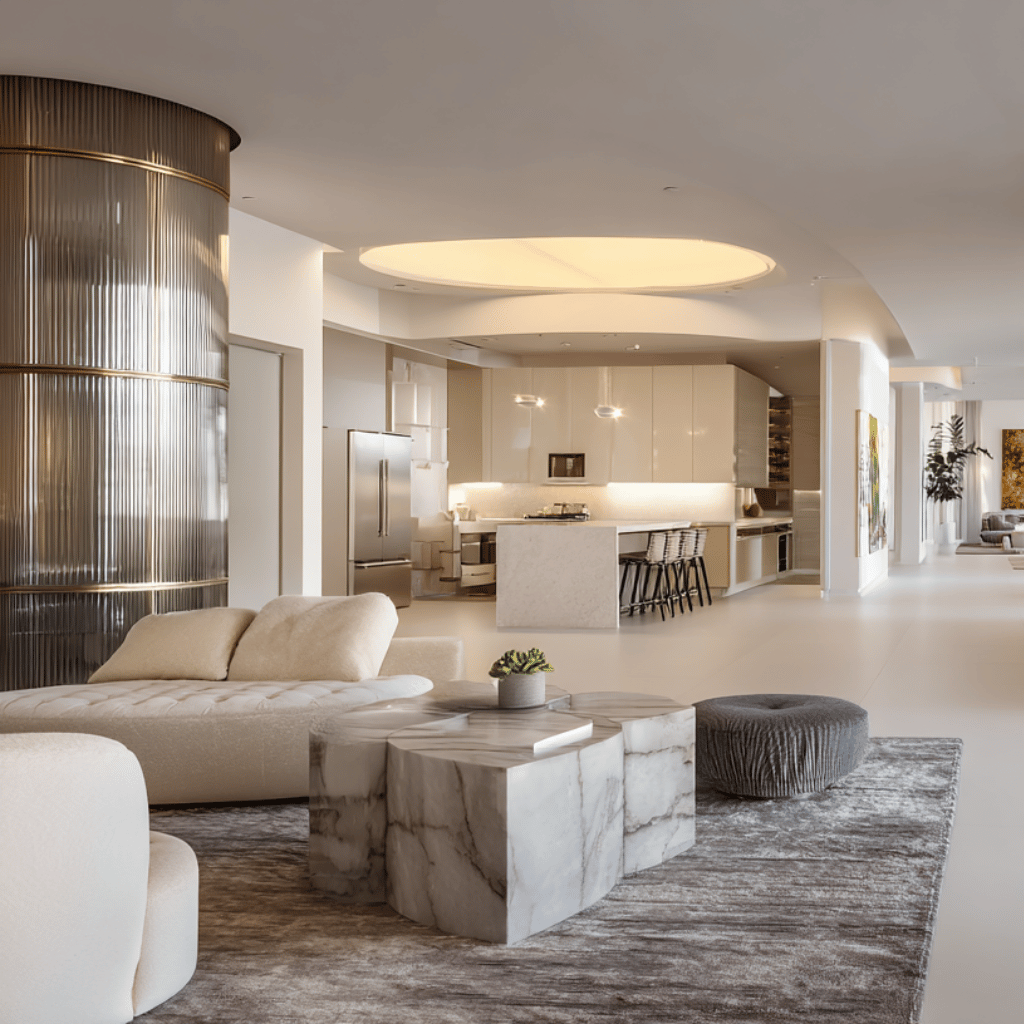
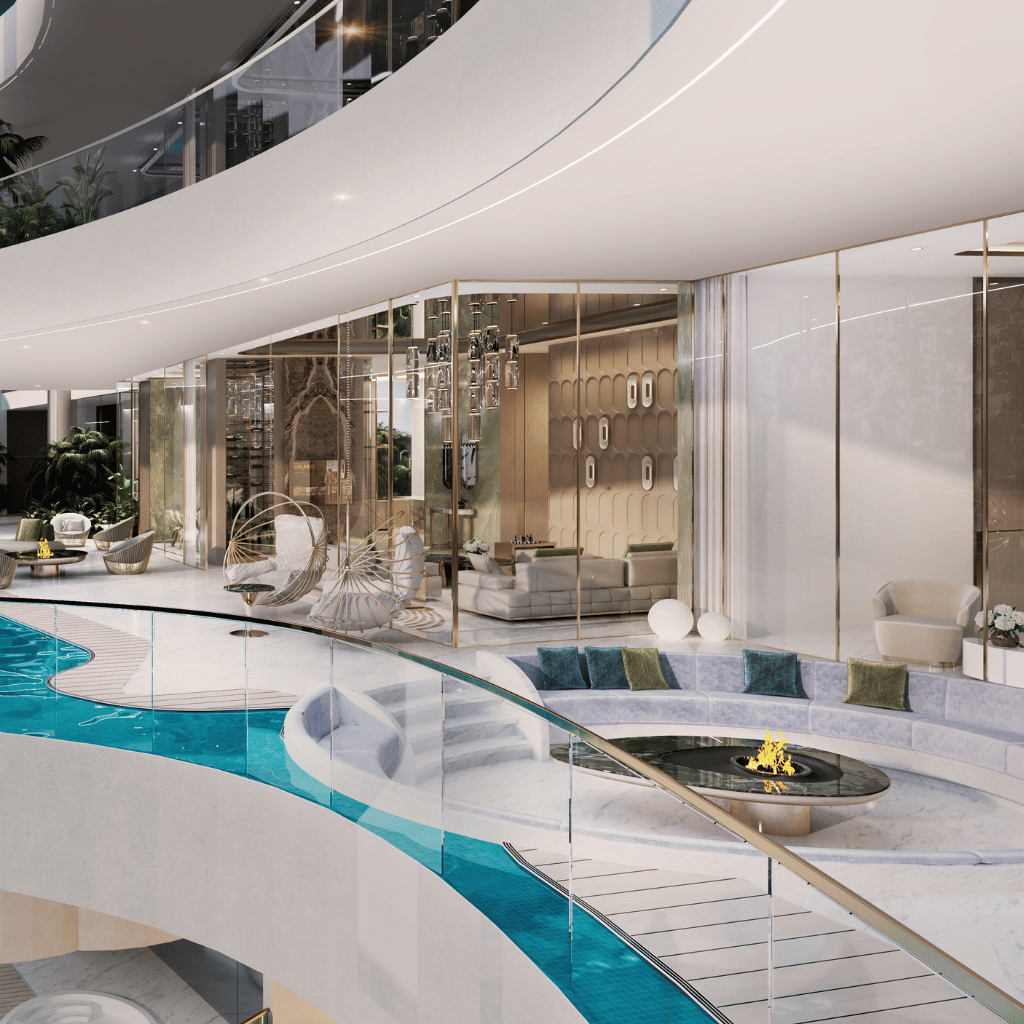

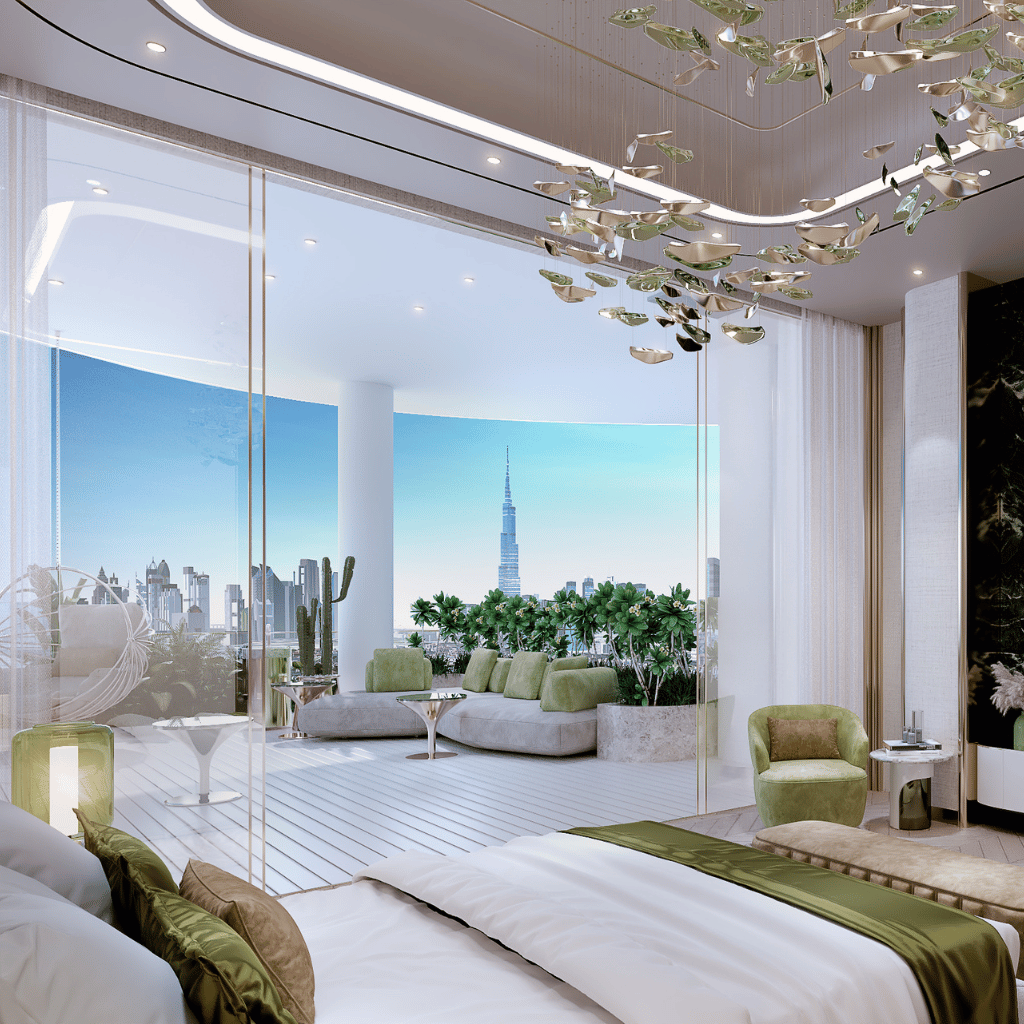
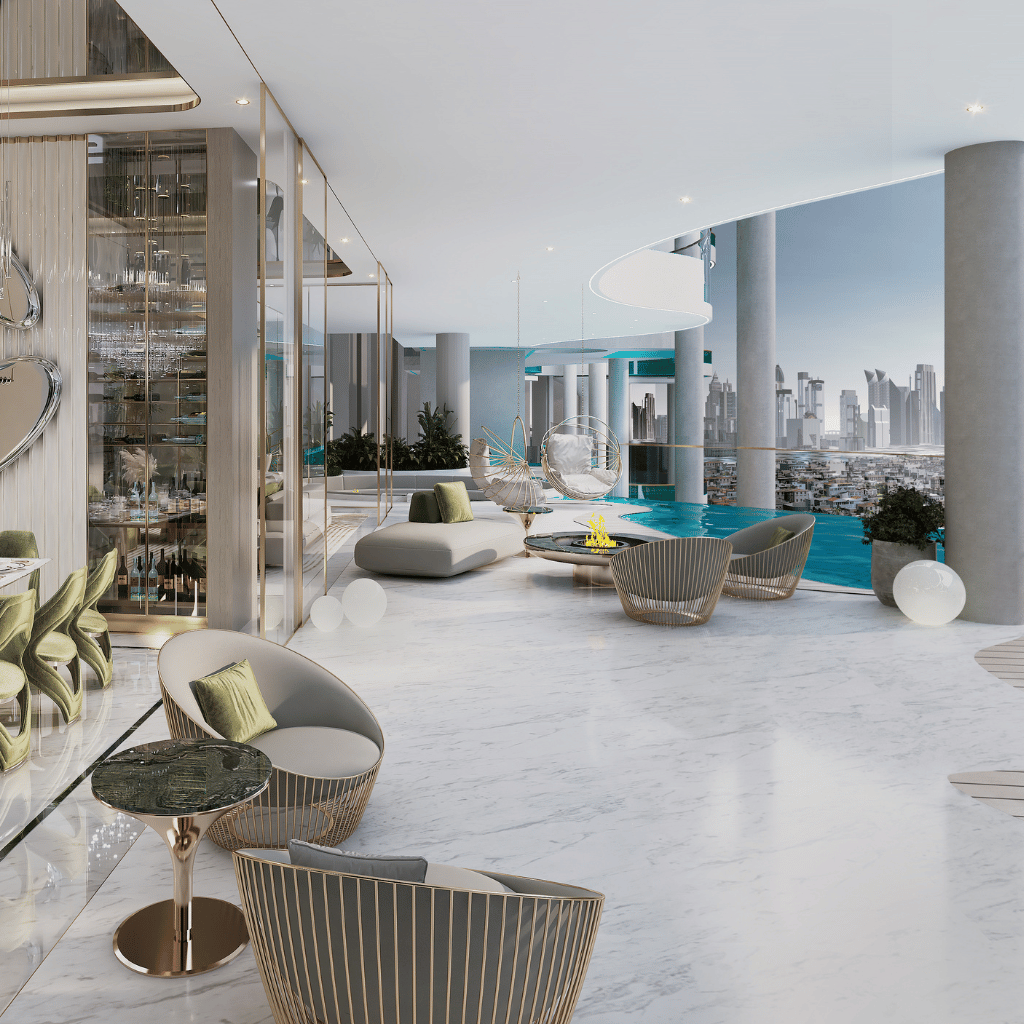
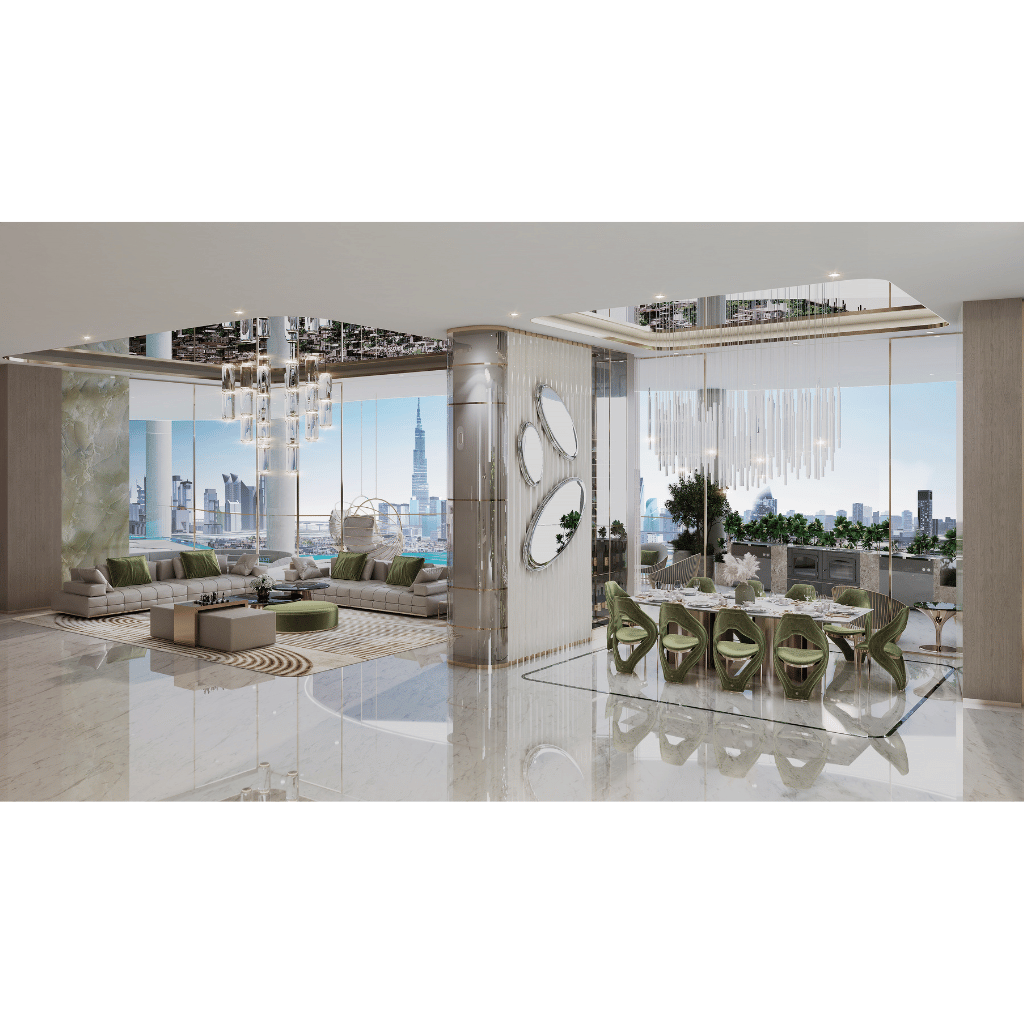
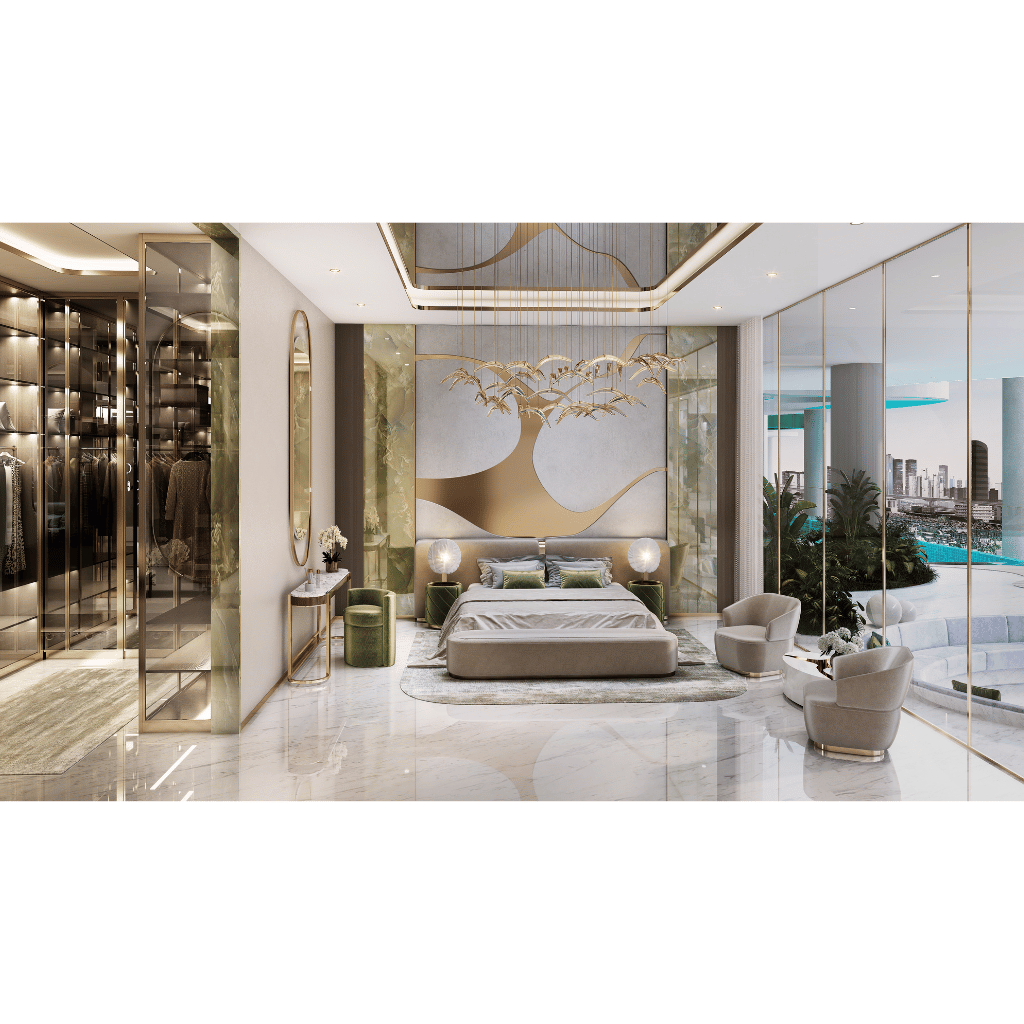
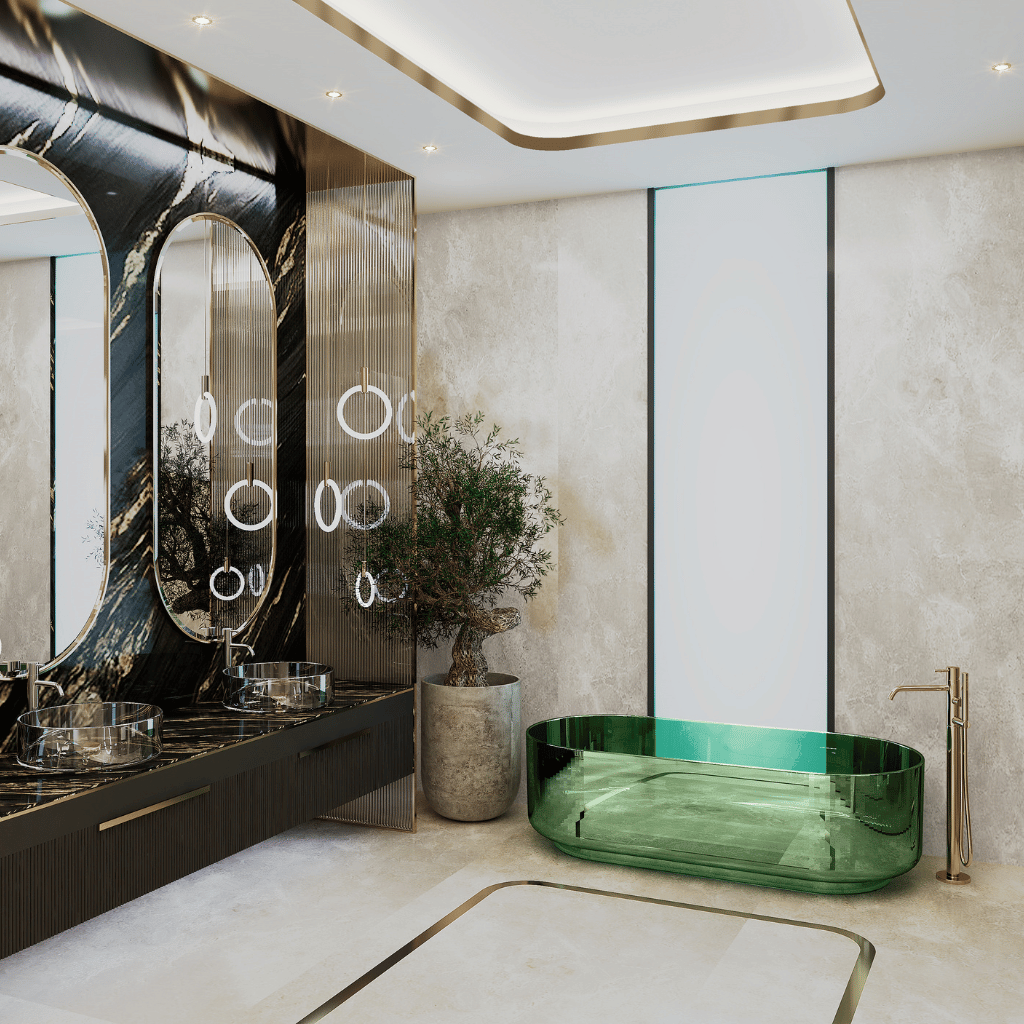
Who Can Buy Property in Dubai? Can Foreigners Buy Apartments in Dubai?
Yes, foreigners (including Turkish citizens) can buy property in Dubai. The UAE has allowed foreigners to buy property since 2002; before that, foreigners only had limited rights such as long-term leases. Foreigners can buy property in freehold areas, with no age restriction.
Is Buying Property in Dubai Worth It? Investment Advantages
The answer to the question investors search most, “Is buying property in Dubai worth it?”, lies in the city’s unique financial incentives and legal protections:
Tax and financial obligations: Across the UAE there is no personal income tax or capital gains tax in the traditional sense on rental income or sale profits from individually owned property. However, under international tax standards (such as CRS) and the corporate tax introduced in 2023, rules may apply to investments made through companies or commercial activities. It is advisable to plan your individual or corporate status with a financial adviser.
Some of the world’s highest rental yields: Dubai offers outstanding rental returns compared with other global cities. Average gross rental yields across the city range from 6% to 8%, and can exceed 10% in some emerging niche areas.
Fast payback: While it can take 25–30 years for a property in Europe to pay for itself, in Dubai this is around 10 to 13 years on average.
Strong currency and economic stability: The UAE dirham (AED) is pegged to the US dollar, which protects your investment in currency terms from exchange rate swings.
High market liquidity: Buying and selling in Dubai is very fast and free of red tape, a major advantage for investors who want to turn property into cash.
What Is Freehold?
Freehold means owning the whole property with no time limit. When you buy a freehold property, you have unlimited, permanent rights to the building and the land it stands on. The title deed passes to your heirs. Investors who buy in freehold areas can sell, let or give away the property as they wish.
Which Are the Freehold Areas in Dubai?
Major freehold areas include Dubai Marina, Palm Jumeirah, Downtown Dubai, Business Bay, Bluewaters Island, Arjan and The Villa. Freehold status can vary by project. Learn more in our guide What is Freehold Property in Dubai?
What Is the Difference Between Leasehold and Freehold in Dubai?
| Dubai property | Freehold (you own it) | Leasehold (like a long lease) |
|---|---|---|
| Ownership | Full ownership of land + building | Right of use, no land ownership |
| Term | Unlimited | Usually 30–99 years |
| Inheritance | Yes | No (returns when the term ends) |
Buying to Let in Dubai: Short-Term vs. Long-Term Rentals
For investors, buying a home in Dubai and letting it out is the most popular way to earn income. There are two main options when choosing a rental strategy:
A. Long-Term Rentals (Annual Contracts)
Long-term rents are usually not paid monthly. Tenants in Dubai pay the year’s rent in advance by cheques, in 1, 2, 4 or sometimes 12 instalments.
RERA protection: Landlord–tenant relations and rent increases are governed by strict rules under the Real Estate Regulatory Agency (RERA) index and Decree No. 43 of 2013. Rent increase caps range from 5% to 20% depending on the market.
B. Short-Term Rentals (Holiday Homes)
Short-term rentals are very popular in tourist areas such as Dubai Marina, Downtown Dubai and Palm Jumeirah.
About 20% higher income: Data show that properties run as holiday homes or serviced apartments earn around 20% more gross rental income than long-term lets.
Dubai Property Prices: Popular Areas and Current Prices per Square Metre
Prices in Dubai vary widely by location, property type, view, floor and the developer’s reputation. Average prices per square metre and realistic costs for a 120 m² home in freehold areas, where foreigners can buy with full ownership and no age limit, are as follows:
| Freehold area | Average price per m² (€) | Average price of a 120 m² home (AED) | Average annual rental yield (ROI) | Highlights |
|---|---|---|---|---|
| Downtown Dubai | ~5,000 € | 2,200,000 – 3,500,000 AED | 5.5% | The city’s financial centre, next to Burj Khalifa and Dubai Mall, prestigious business life. |
| Dubai Marina | ~4,500 € | 1,800,000 – 2,800,000 AED | 6.0% | Luxury beachfront towers, JBR Beach, the highest demand for short-term rentals. |
| Palm Jumeirah | ~6,000 € | 3,500,000 – 6,000,000+ AED | 5.0% | The world-famous artificial palm island, ultra-luxury villas, beachfront and global prestige. |
| Business Bay | ~3,800 € | 1,500,000 – 2,400,000 AED | 6.5% | Business district next to Downtown, office towers and more affordable luxury homes. |
| Jumeirah Lake Towers (JLT) | ~3,200 € | 1,200,000 – 1,800,000 AED | 6.8% | Lake district directly opposite the Marina, popular with working families. |
| Dubai Hills Estate | ~3,900 € | 1,600,000 – 2,500,000 AED | 6.2% | Modern villas and residences among green spaces, a large golf course and family-focused living. |
| Jumeirah Village Circle (JVC) | ~2,500 € | 950,000 – 1,400,000 AED | 7.5% – 8.0%+ | Affordable entry budget, fast payback and strong rental demand from working residents. |
Buying in Installments in Dubai: Off-Plan Payment Plans Without a Bank
One of the most popular ways to own a home in Dubai is to buy in installments. Developers (Emaar, DAMAC, Sobha and others) offer their own payment plans without a bank loan or interest. These projects are called “off-plan” properties.
How Do Interest-Free Installments Without a Bank Work?
- Reservation and deposit: A deposit of 5% to 10% is paid to reserve the property.
- Down payment and title fee: At the start, usually a 20% down payment and the 4% Dubai Land Department (DLD) fee are paid.
- Installments during construction: The balance is spread over construction milestones, for example 1% or 2% a month, 5% every three months or 10% a year, interest-free.
- Final payment on completion: Depending on the project, the remaining 40% or 50% is paid on handover, in one go or with a mortgage.
Government Protection: The Escrow Account System
The Dubai government applies strict laws to protect investors:
- All buyer payments go not to the developer but to escrow accounts approved by the Dubai Land Department (DLD).
- The developer must provide guarantees in line with legal requirements before starting the project.
- The developer cannot withdraw money from escrow until construction reaches set stages and is inspected by government engineers.
- Even after completion, part of the money is held in escrow for one year against possible structural defects.
Can You Buy with a Mortgage? Requirements for Foreigners
If you want to buy a ready (completed) property, or need financing at the handover stage of an off-plan project, you can use a mortgage in Dubai:
- Loan-to-value: For UAE-resident foreigners buying a first home under AED 5 million, banks lend up to 80% of the value (65% at AED 5 million and above). For a second or investment home, the rate is 60%. Buyers who do not live in the UAE are usually offered 50–60%, meaning a 40–50% down payment.
- Term: Dubai banks offer mortgages of up to 25 years to foreign nationals.
- Age limits: The maximum age at the end of the loan is 70 for self-employed investors and 65 for salaried employees.
- Interest rates: Annual rates vary by bank and market conditions; get a current offer from the bank before applying.
Requirements and Legal Process for Foreigners Buying in Dubai
Buying a home in Dubai is a transparent, fast and digital process; everything is usually completed within a month at most. Basic documents required:
- Passport and current proof of address (residence certificate or utility bill).
- Bank statements showing your financial position and source of funds.
- No Objection Certificate (NOC) confirming there is no obstacle to the sale.
- For off-plan homes, the “Oqood” certificate, a preliminary registration.
- Attestation and approval of your birth and marriage certificates for acceptance by UAE authorities.
Service Charge per Square Foot
Property owners in Dubai pay an annual service charge for shared costs such as the pool, gym, security and cleaning. Unlike in Türkiye, service charges are not a fixed monthly fee but an annual amount based on the size of the property in square metres/square feet. Rates can be checked transparently each year through the official Service Charge Index of the Dubai Land Department.
How to Get a Dubai Residence Visa and Golden Visa by Buying Property
Buying property in Dubai opens the door to long-term residence in the UAE for you and your family, without a sponsor:
- 2-year investor visa: Under the current practice of the Dubai Land Department, when you buy a home with a Dubai title deed as sole owner, you can apply for a renewable 2-year investor residence permit regardless of the property’s value. The former AED 750,000 minimum has been removed; in joint ownership, each owner’s share must be at least AED 400,000. For ready homes bought in installments or with a mortgage, at least 50% of the price is expected to have been paid.
- 10-year Golden Visa: If you invest at least AED 2,000,000 (about $550,000), you can get the 10-year Dubai Golden Visa.
Unlike standard visas, Dubai Golden Visa holders do not have to stay in the country continuously; they can manage their property remotely and sponsor their spouse, sons up to age 25 and unmarried daughters of any age.
How to Buy Property in Dubai: The Buying Process
If you are thinking of buying a home in Dubai, contact our partners for a reliable process. Buying takes about a month at most. The main steps are:
- First decide, within your budget, whether you want to live in the property, let it long or short term, or buy it for capital growth. Our partners offering property services in Dubai can help.
- Documents usually needed for the sale, payment and title deed: passport, visa, proof of address, proof of funds, sale agreement, No Objection Certificate (NOC), title deed, the “Oqood” certificate for off-plan homes, power of attorney, valuation report and payment receipts.
- If you buy from a development project, off-plan payments go into DLD-approved escrow accounts. The developer cannot access the money immediately, which protects you as an investor.
- For off-plan purchases, the Sale and Purchase Agreement (SPA) is signed first, followed by Oqood registration. Oqood is not a title deed but a preliminary registration in the government system. After construction, the property is inspected, the final payment is made and the title deed is issued.
- For ready properties the process takes a few weeks and the title deed is transferred directly.
- After handover, most investors let their homes. Monthly rent payments are uncommon in Dubai; most rents are paid in one, two or four instalments, sometimes twelve, covering a year. Rents are set by the current market, the RERA index and the ranges in Decree No. 43 of 2013, with caps from 5% to 20%. Service charges are set per square metre/square foot per year, not as “one month’s rent”, and can be checked through the DLD Service Charge Index.
How Much Down Payment Do You Need to Buy in Dubai?
When buying property in Dubai, a 5–10% deposit is first paid to secure the deal with the seller. For an off-plan apartment, usually a 20% down payment and the 4% DLD fee are paid at the start. Some developers ask for the 20% at once, others split it over a few months. After these payments, the developer applies for registration and the buyer receives the Oqood.
The remaining payments depend on the completion date and the developer’s plan. For example, 20% is paid up front, 30% in interim installments (such as 2% a month, 5% every 3 months or 10% a year) and the remaining 50% usually on handover.
Buyers’ payments in Dubai are protected by the state. All payments go into escrow accounts approved by the Dubai Land Department (DLD). The developer can only access the money in stages as construction progresses and after DLD inspection. After handover, part of the price (usually 5%) is kept in the account for one year as a guarantee.
Where to Buy Property in Dubai?
With high rental yields, tax advantages and world-class quality of life, Dubai has become a hub for global capital. Choosing the right location directly affects both how fast your property gains value and the gross rental yield you earn. The most sought-after areas with high potential are:
1. Dubai Marina: Beach Life and Strong Short-Term Rental Potential
At the heart of the high-rise towers and luxury beachfront residences that form Dubai’s iconic skyline, Dubai Marina is popular with both residents and tourists, with the palm-lined Marina Walk, cafés, restaurants and social spaces.
- Location: Right next to Jumeirah Beach Residence (JBR) beach and “The Beach” entertainment complex.
- Investor note: The busiest area for tourism and short-term rentals, offering year-round cash flow in hard currency.
- Market indicators: Average price per m²: ~4,500 €. Average gross rental yield: 6.0%.
2. Downtown Dubai: The Heart of the City, Prestige and Finance
The city’s financial and business centre, Downtown Dubai is a first choice for executives and luxury buyers. It is home to Burj Khalifa, the world’s tallest building, and Dubai Mall.
- Location: A prime area with limited land, always in demand.
- Investor note: Ideal for long-term investors seeking strong capital growth and secure demand from corporate and high-end tenants.
- Market indicators: Average price per m²: ~5,000 €. Average gross rental yield: 5.5%.
3. Palm Jumeirah: The World’s Most Prestigious Artificial Island
An engineering marvel shaped like a giant palm tree, Palm Jumeirah is the peak of Dubai’s ultra-luxury market, with world-famous hotels, Michelin-starred restaurants and ultra-luxury villas and residences.
- Location: Properties on the crescent and fronds enjoy uninterrupted Gulf views; a global status symbol and focus for HNWI investors.
- Investor note: A high entry budget, but a leader in value growth thanks to wealth preservation and limited supply.
- Market indicators: Average price per m²: ~6,000 €. Average gross rental yield: 5.0%.
4. Business Bay: The City’s New Business and Living Hub
Right next to Downtown Dubai, Business Bay has become one of the fastest-growing finance and residential districts thanks to new projects. It lies on the Dubai Water Canal and is known for modern towers and offices.
- Location: Minutes on foot from Burj Khalifa and Dubai Mall, yet more affordable than Downtown.
- Investor note: High liquidity and good payback for both office investments and modern city apartments.
- Market indicators: Average price per m²: ~3,800 €. Average gross rental yield: 6.5%.
Reliable Dubai Property Portals and Partner Support
To invest in Dubai without mistakes, check escrow agreements, complete Oqood registration and receive your Golden Visa through your property safely, contact Golden Visa Solutions, Türkiye’s first Golden Visa platform, and our accredited partners.
Related guides: What is Freehold Property in Dubai? · Which Countries is the Dubai Golden Visa Valid In? · Dubai Golden Visa Family Sponsorship
Related guides: Dubai Golden Visa for Professionals: What You Need to Know About the AED 30,000 Salary Rule
Frequently Asked Questions
Is buying property in Dubai worth it?
Can I buy with a mortgage? Mortgage requirements for foreigners
Is there tax to pay when buying property in Dubai?
What is an attestation (restatement) certificate?
What types of apartments are for sale in Dubai?
If I buy a home, how long can I stay in Dubai?
Contact Our Experts
Have questions about your application? Get in touch with our team.