
The history of Piraeus dates back to 2600 BC. Chosen by Themistocles as the main port of Athens and designed by Hippodamus according to a grid plan system, Piraeus was referred to as the “Lion’s Port” (Porto Leone) in the Middle Ages due to the massive marble lion statue at the port entrance; this statue was removed by the Venetians in 1687.
Boasting Europe’s 5th largest port, Piraeus offers investors today not only a commercial center but also a cosmopolitan living experience where history blends with modernism. Recently, with gentrification policies, the typology of the region is characterized by the conversion of neoclassical buildings and post-industrial areas into modern uses.
Its proximity to Athens city center further reinforces this advantageous investment, and thanks to the Blue Line (Line 3) and Green Line (Line 1), it is possible to reach Syntagma Square and the center of Athens from Piraeus in approximately 20-40 minutes. Transportation by car takes about 1 hour.
Buying a Home in Piraeus
Examining it neighborhood by neighborhood; Kastella is one of Piraeus’s most stylish and historically visual feasts, located on top of the city. Kastella is famous for its 19th-century restored neoclassical mansions. Its streets consist of stepped pathways, and the low traffic makes strolling a great pleasure. While the Prophet Elias Church offers a panoramic view, you can see the Mikrolimano port from the slopes of Kastella. Residents of Kastella enjoy the sea at Votsalakia beach. Property square meter prices in Kastella are high, featuring investment homes that best preserve their value.
Peiraiki is the neighborhood with Piraeus’s longest coastline, where the local spirit is felt most vividly. The most important element giving the region its character is the remains of the ancient defensive walls known as the Walls of Conon, stretching along the coast. It is a great place for late afternoon walks and watching the sunset with coffee. It is famous for its traditional taverns serving fresh seafood lined up side by side. Homes in Peiraiki generally feature large balconies and uninterrupted sea views. The region has been undergoing significant urban transformation in recent years. Old buildings along the coastline are being modernized and converted into high-rental-yield residences, making the area particularly attractive for investors seeking a peaceful life by the sea.
Mikrolimano, formerly known as Munychia, this small, circular port is one of Piraeus’s most elite and touristic stops. With a port structure resembling a painting, it is the entertainment and gourmet center of the city. Harboring all the elegance of marina life, the neighborhood is home to world-famous restaurants like the Michelin-starred Varoulko, chic bars, and nightlife. It is the first choice for both locals and tourists for dinner. Mikrolimano is quite limited in terms of property typology but very valuable. Especially buildings facing the port have Piraeus’s highest occupancy rates and nightly rates for short-term stays. For those wanting to make a “lifestyle” investment, the social attraction power of the region is the biggest advantage.
Zea Marina, which was a naval port in ancient times, has transformed into a modern and dynamic center where massive luxury yachts are moored today. With its wide promenade and palm trees, it is Piraeus’s most vibrant face. It is a favorite of young professionals and families. The Pasalimani area is surrounded by global brand stores, chic cafes, and luxury bars. Walking trails right by the sea and large squares give the area a spacious and modern vibe.
Compared to saturated markets like Glyfada, Piraeus offers a much higher appreciation potential because it “has not yet completed its development.” Offering much more affordable square meter prices compared to South Athens’ luxury coastline (Athenian Riviera), Piraeus is ideal for investors targeting capital growth. The fact that average monthly rents in restored residences reach around 800 Euros makes the region attractive for port employees, international corporate personnel, and university crowds. It continues to offer residence permit advantages to investors under certain conditions by holding “Second Zone” status in current Golden Visa regulations. Particularly, projects converting idle buildings into residences open a door with low entry costs for investors. You can review the prominent apartments for sale in Piraeus:
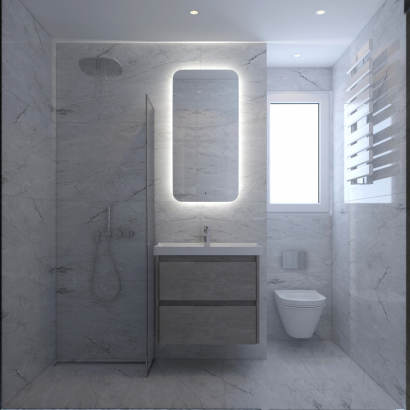
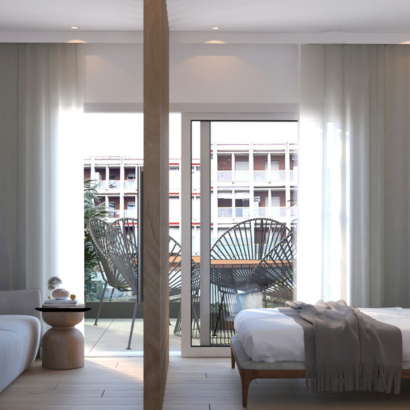
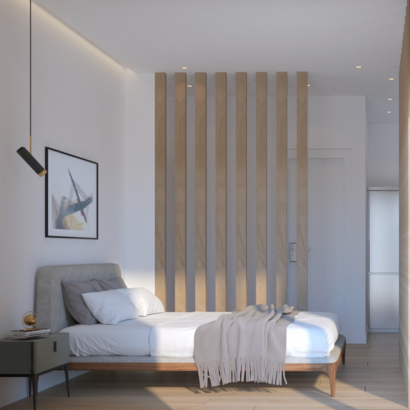
Notara Grand A1
- Notara 92, Pireas 185 35, Greece
- 255,00
- Annual Rental Income €10,200
- 31.12.2026
- 1+1
- 33 m²
- Hellenic Investment
Notara Grand D1
- Notara 92, Pireas 185 35, Greece
- 217,00
- Annual Rental Income €8,680
- 31.12.2026
- 1+1
- 31 m²
- Hellenic Investment
Piraeus is beginning to write Athens’ greatest economic transformation story in the next 10 years. Combining its ancient port identity with technology, luxury living, and modern urbanism, this city offers a unique window of opportunity for real estate investors. For those looking for rational investments, you can contact us to evaluate real estate options in Piraeus and be a part of this major transformation. You can access the details of the Greece Golden Visa program via the relevant link.